One-of-a-Kind
Opportunities in the TMC
One-of-a-Kind
Opportunities in the TMC
By Alex Keimig
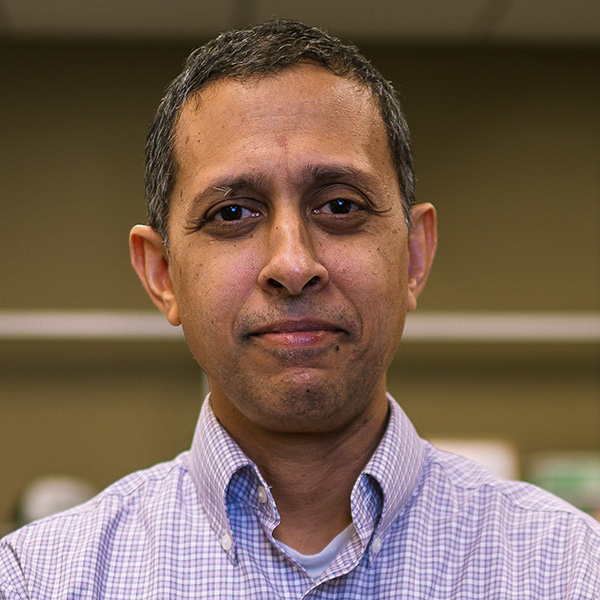
M.D. Anderson Professor Navin Varadarajan of the William A. Brookshire Department of Chemical and Biomolecular Engineering is using biomolecular research to fight for Houston’s health on multiple fronts: recent breakthroughs have included enhanced cancer immunotherapy approaches as well as nasal vaccines that can help stop the spread of SARS-CoV-2 and other coronaviruses.
“[Our] department emerged as one of the strongest departments of chemical engineering in the country about four decades ago,” says Varadarajan. As UH has grown and the department and its research have risen in prominence, both have become “tightly integrated with our prestigious neighbors.”
“Members of our department have formal affiliations with MD Anderson, Baylor College of Medicine, the Methodist Hospital Research Institute, etc., and we serve actively in the governance of a variety of interinstitutional programs, including the Gulf Coast Consortia, the new Clinical and Translational Science Award (CTSA) program with Baylor, and Cell Therapy Consortia funded by the Cancer Prevention and Research Institute of Texas (CPRIT). The ability to integrate engineering with medicine takes advantage of the complementary strengths between our department and TMC,” he adds.
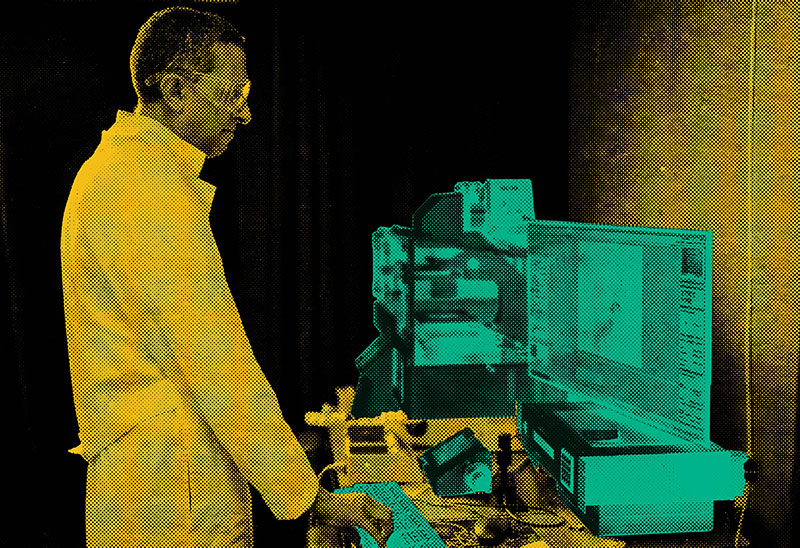
Varadarajan’s team focuses on developing technologies for human benefit, so MD Anderson has been a natural partner for their efforts in translation in cancer immunotherapy. Immunotherapy is a major breakthrough in cancer treatment. It works by harnessing the power of the immune system, and one of the core technologies they’ve developed allows for visualization of interaction dynamics between immune and tumor cells.
The ability to integrate engineering with medicine takes advantage of the complementary strengths between our department and TMC.Navin Varadarajan
“Texas has been a great place for cancer research thanks to funding from CRPIT,” he says. “This has enabled us to investigate immunotherapy in several different kinds of cancer, including blood, skin, breast and liver cancers. Advances in cancer immunotherapy directly benefit Texans and their families, and it is rewarding to work at the interface of engineering and medicine.”
During the COVID-19 pandemic, the team shifted their focus to nasal vaccines. They published the first intranasal vaccine in July 2020 and have subsequently developed and validated vaccines against other respiratory pathogens like respiratory syncytial virus (RSV) and mycobacterium tuberculosis (Mtb) in preclinical models.
“Our research is focused on developing treatments [for diseases] and vaccines against pathogens that cause a huge burden to society both locally and nationally. UH and TMC provide a great environment for collaborative translational research,” says Varadarajan.